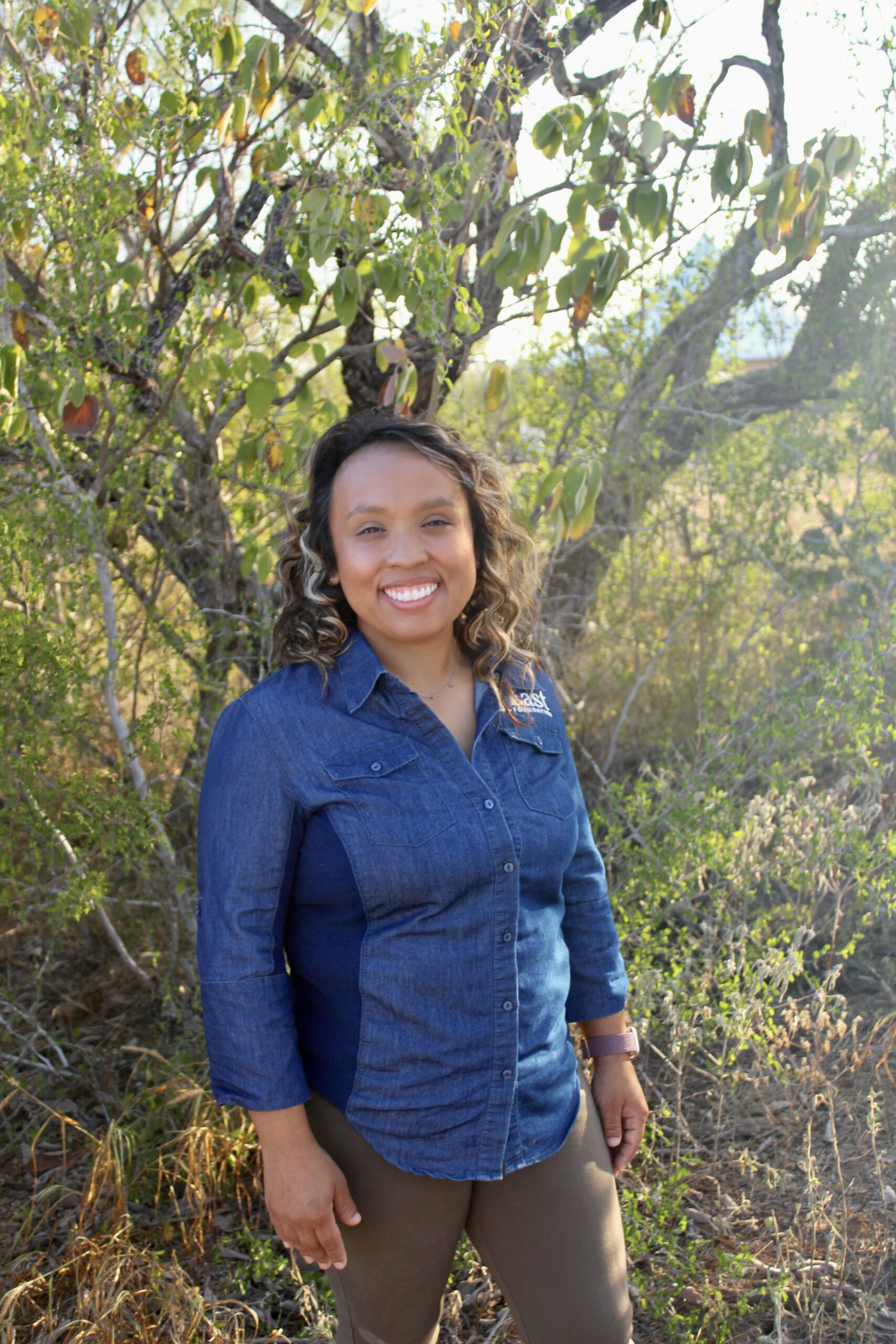

Leopoldo “Leo” Miranda-Castro

Leopoldo “Leo” Miranda-Castro – Executive Director, Conservation Without Conflict

Owner and Manager of Ochille Farm

Leopoldo “Leo” Miranda-Castro is the owner and manager of Ochille Farm in west-central Georgia. Until the end of 2022, he was the Southeast Regional Director of the Department of the Interior’s U.S. Fish and Wildlife Service (2018-2022). Leo oversaw the work of approximately 1,300 federal employees in carrying out the Federal Government’s partnership role in conserving fish, wildlife, and plant resources and their habitats within 10 southeastern states, Puerto Rico and the U.S. Virgin Islands. Leo began his work with the US Fish and Wildlife Service as a Private Lands biologist in his native Puerto Rico, later becoming the national coordinator for the private lands program and then Program Supervisor of the Service’s Chesapeake Bay Field Office in Annapolis, Maryland. He then was selected as the Assistant Regional Director of the Southeast Region’s Ecological Services Program. An advocate of public-private conservation partnerships, he points to the success of the shade-grown coffee industry, sustainable timber production and protecting military bases buffer zones in conservation as examples of how government organizations and private landowners can work together to achieve real “win/win” outcomes for people and for wildlife. On any given weekend, you are likely to find Leo in a tree stand or by a river, hunting or fishing with his son, Pablo and his wife Jessica. Leo attributes much of their shared love of nature and commitment to conservation to the pursuit of these outdoor recreational pastimes, and hunting in particular. Leo was a career Senior Executive Service, the highest career-level position in the federal government. He holds a Bachelor of Science in Marine Biology from the University of Puerto Rico and a Master of Science in Zoology from North Carolina State University. He and his wife Jessica, son Pablo, and their four-legged family members live in west-central Georgia.

Stephanie Liss Larson

Stephanie Liss Larson joined Pacific Northwest National Laboratory (PNNL) in 2014. Her background is in fisheries ecology and physiology, and she is involved in projects under the National Environmental Policy Act (NEPA). As a project manager, she leads complex, multi-disciplinary field studies that utilize acoustic and radio telemetry technologies to track fish. These studies aim to improve our understanding of fish behavior, movement, and survival in relation to migration barriers such as dams and hydropower structures. The findings inform facility operations and support the development of more effective structure designs.

Stephanie also manages laboratory research at PNNL’s Aquatic Research Laboratory, where she oversees studies using advanced active transmitter technologies developed by PNNL. Her work focuses on evaluating the potential effects of transmitter implantation across a variety of fish species, including eels, lamprey, salmon, shad, and sturgeon. These studies aim to demonstrate the capabilities of innovative transmitter technologies and establish best-practice guidelines for their use prior to deployment in field studies.

Stephanie’s research also includes the quantification and analysis of physiological biomarkers in fish to evaluate how they respond to environmental conditions. Currently, she is investigating the effects of simulated sound particle motion to understand potential stressors associated with underwater tidal turbine energy. This work supports efforts to inform and promote the environmentally responsible development of marine renewable energy technologies.

Research Interests:

  • Applied fisheries management and conservation strategies
  • Design and coordination of complex, multi-disciplinary field and laboratory studies
  • Data management, validation, and quality assurance in ecological research
  • Ecology and physiology of large-river and marine fish species
  • Effects of barriers (dams, hydropower infrastructure) on fish
  • Application of radio and acoustic telemetry technologies in fisheries research
  • Environmental assessment and compliance as it relates to NEPA analysis

Professional Service and Affiliations:

  • North American Journal of Fisheries Management Associate Editor
  • American Fisheries Society
  • North American Sturgeon and Paddlefish Society
  • PNNL Bio-Acoustics and Flow Laboratory